Journal
Machu Picchu 2026: Circuits, Routes and the Best Time to Visit
How Machu Picchu tickets work in 2026: the 3 circuits and 10 routes, which one to choose, how far ahead to book, Huayna Picchu vs Machu Picchu Mountain, trains and the best months to go.
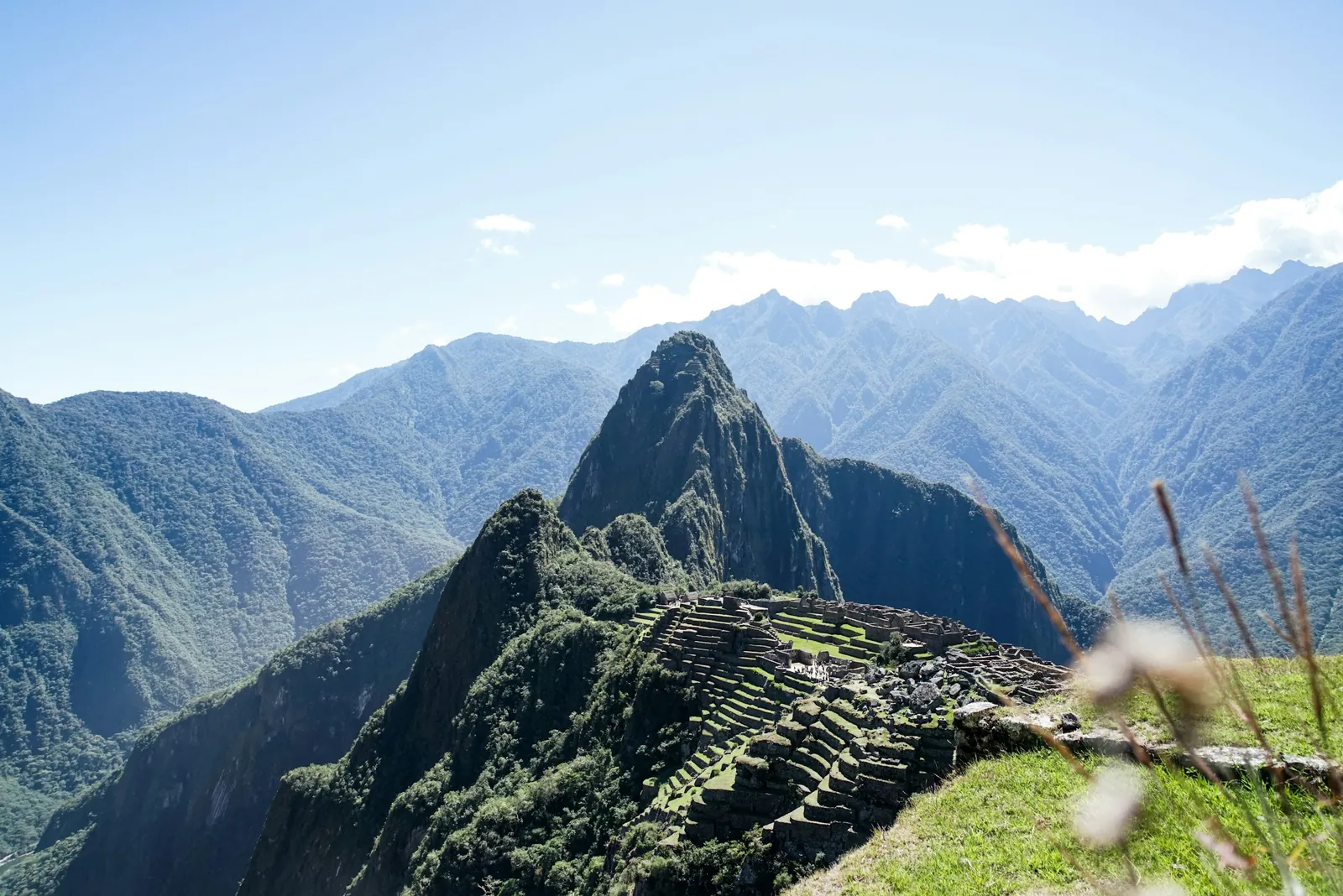
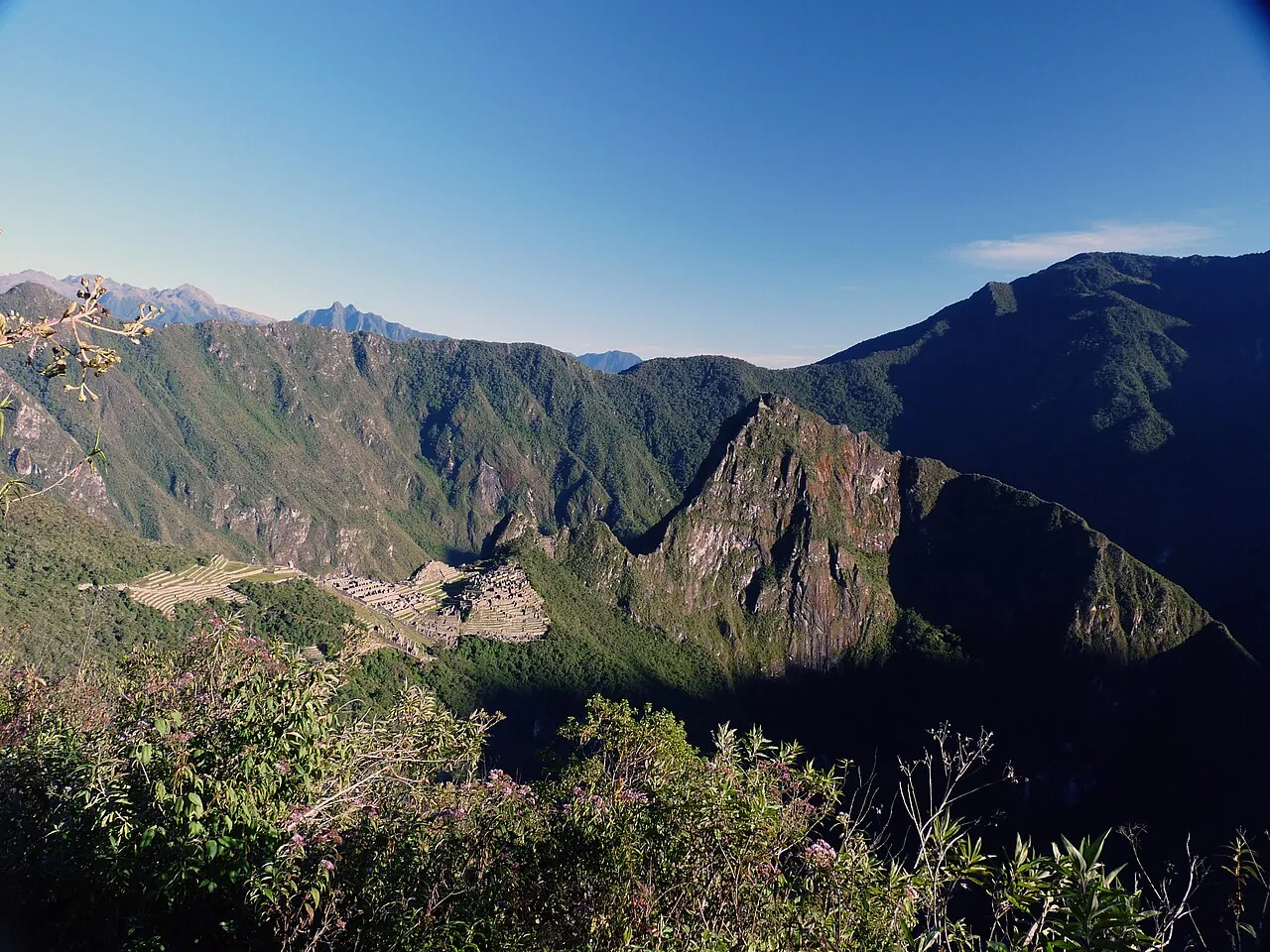
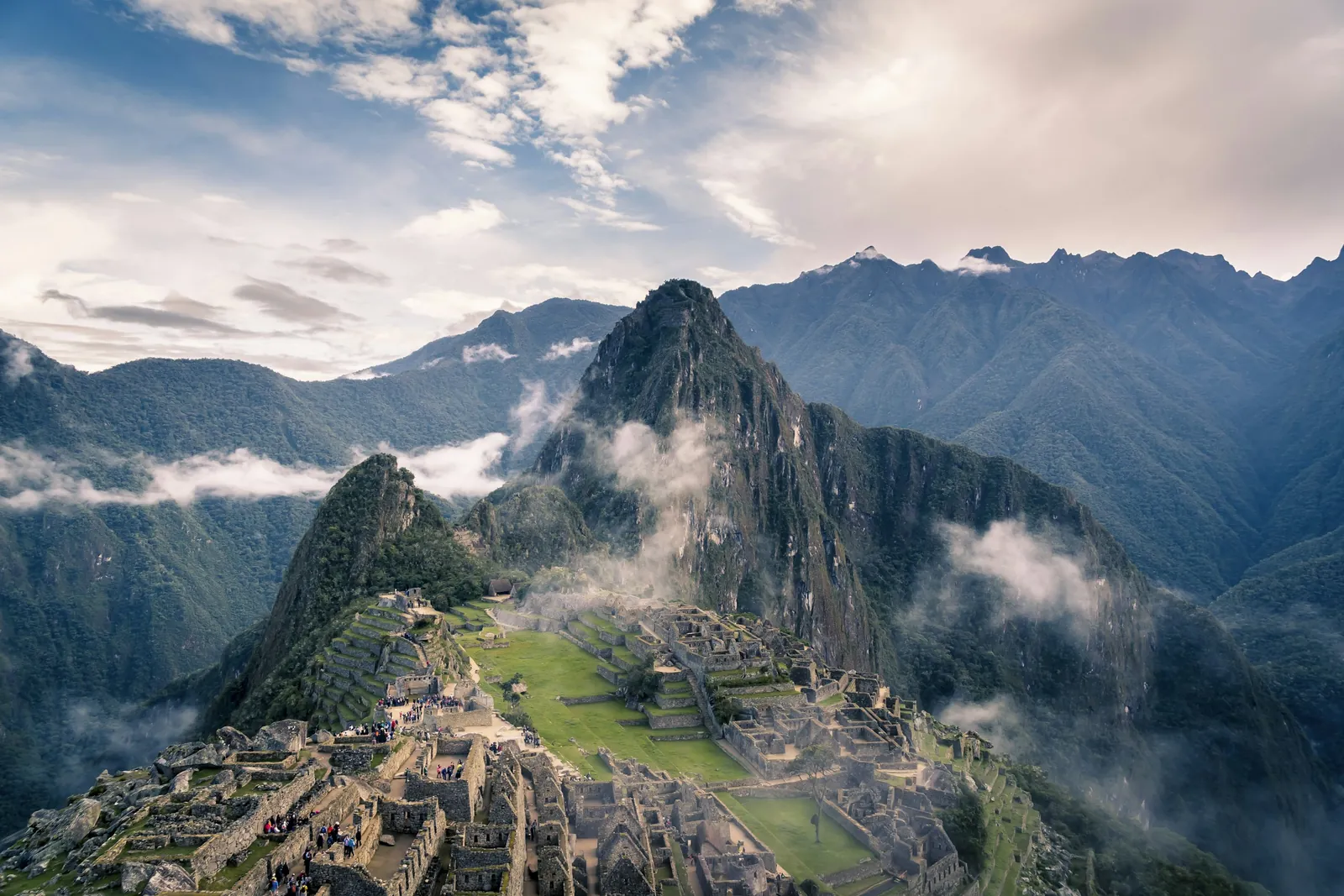
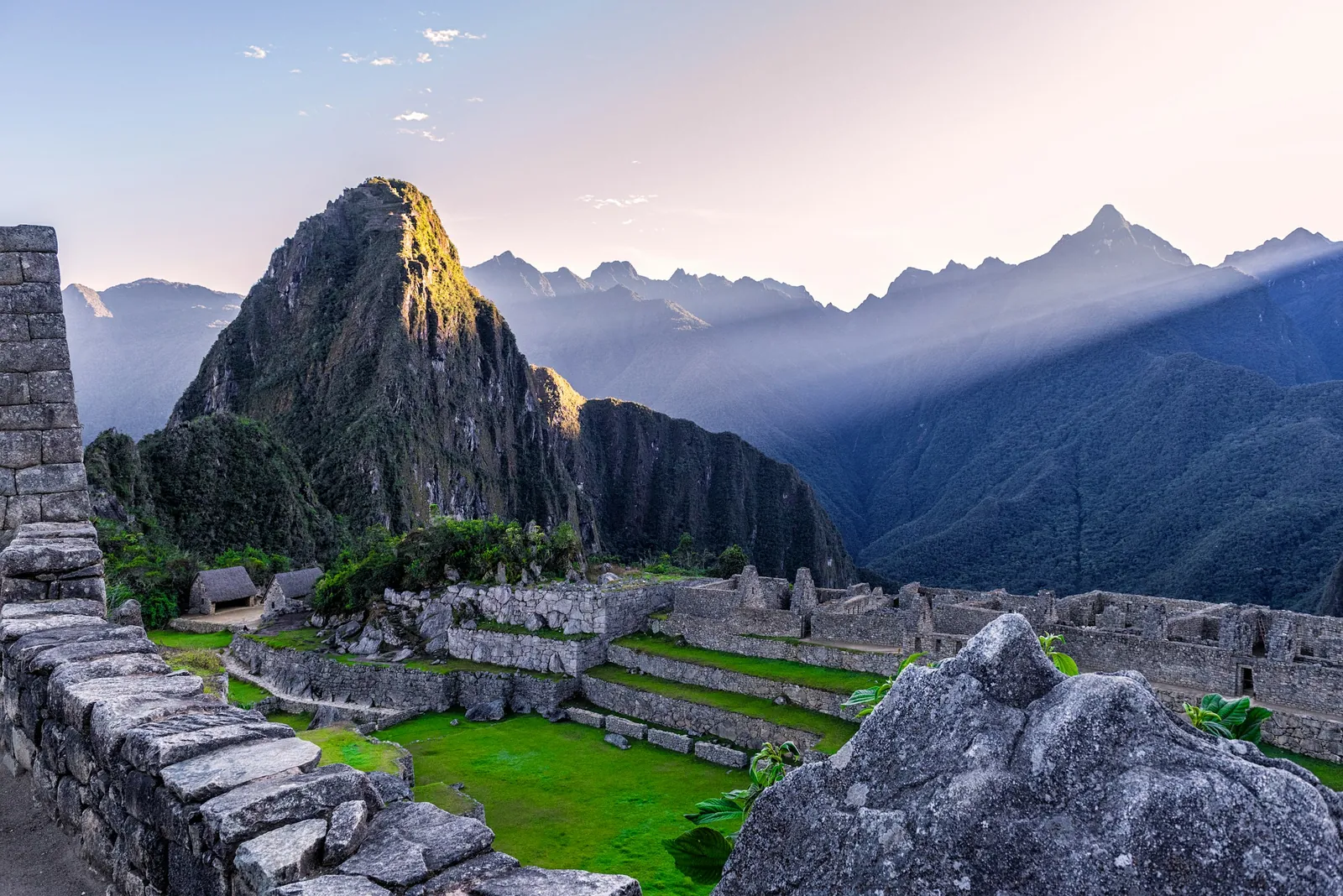
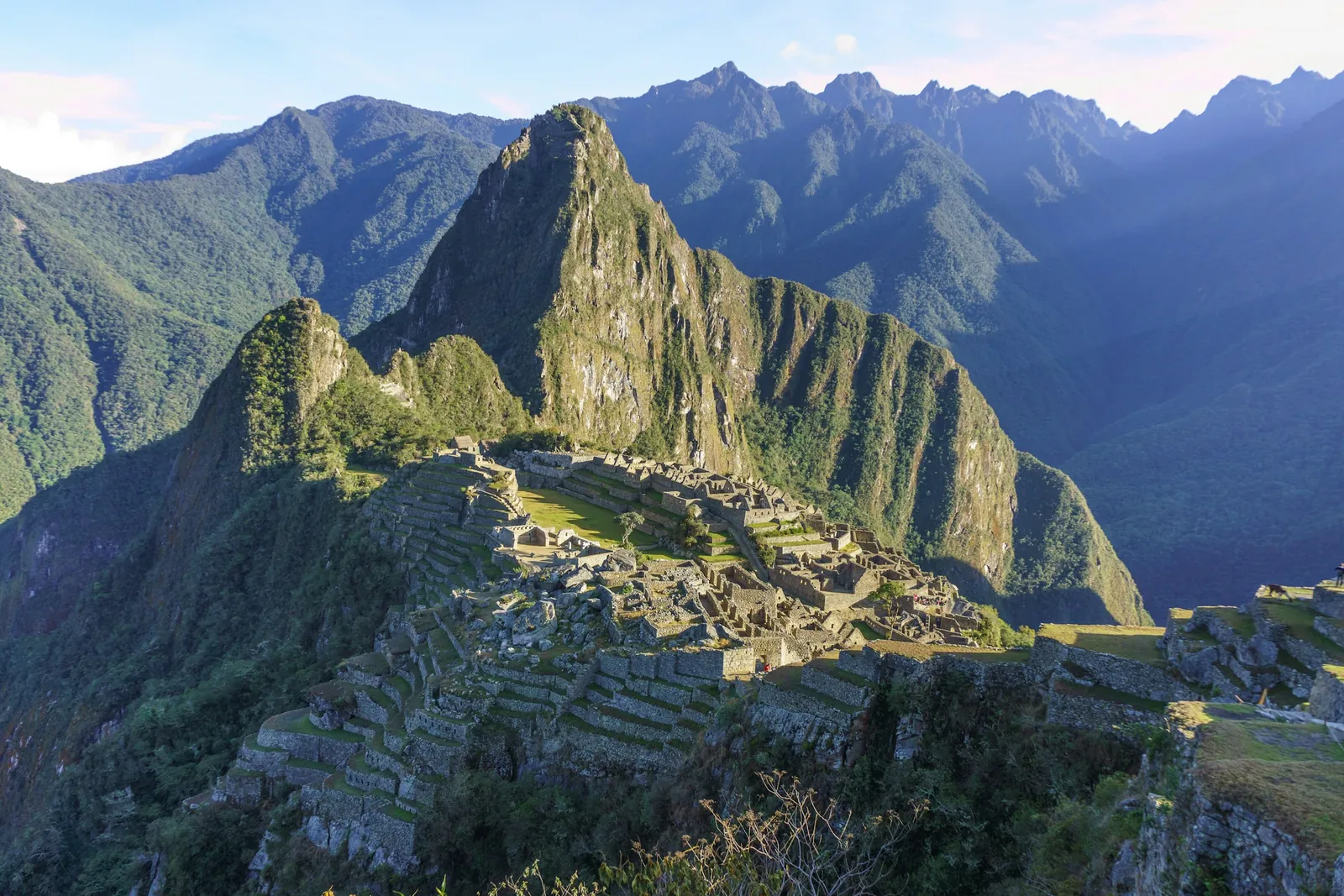
Since the ticketing reform of June 2024, Machu Picchu is no longer one ticket for one site. It is a set of circuits and numbered routes, each with its own capacity and its own view of the citadel. Pick the wrong one and you may finish your visit without the classic postcard photo. This guide explains how it works in 2026 and how we choose routes for our own travellers.
The Ministry of Culture divides the sanctuary into three circuits. Each circuit is a fixed, one-way walking path. Once you enter a circuit you cannot switch to another, and you cannot go backwards. Inside each circuit there are alternative routes that add a mountain, a terrace or a specific monument.
It combines the elevated photo and the walk through the main temples. It takes around two and a half to three hours at a calm pace with a guide, which is what most of our private groups do.
The 3 circuits and 10 routes, explained
Many travellers do not know that you can visit twice: an afternoon on Circuit 2 the day you arrive in Aguas Calientes, and an early morning on Circuit 1-A (Machu Picchu Mountain) or 3-A (Huayna Picchu) the next day. This is the plan we recommend to anyone who has travelled a long way to get here. The second morning is quieter and the light is better.
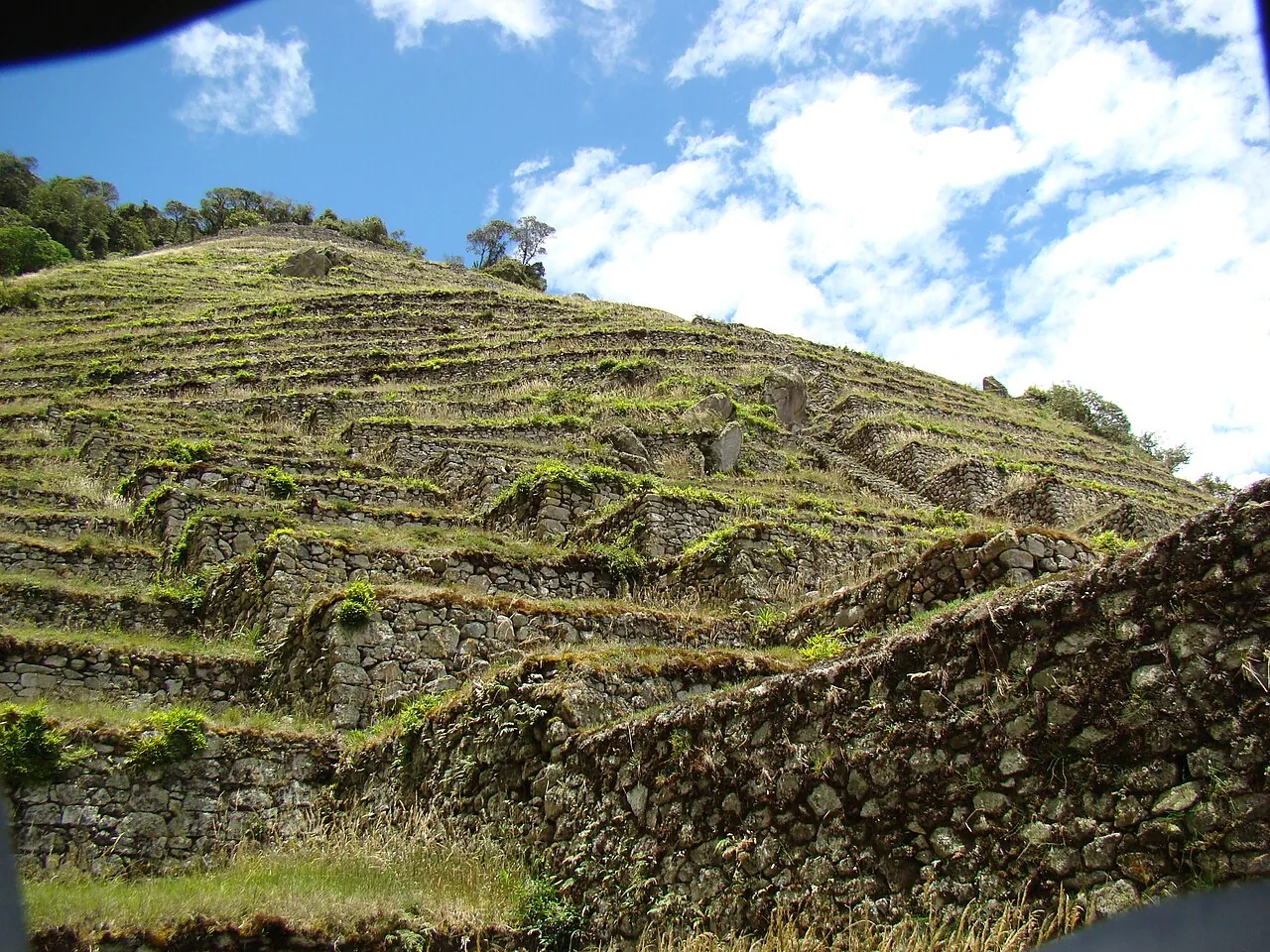
The lower sector has fewer stairs. Tell us in advance and we plan the guide, the bus and the train around it.
Circuit 2 works well for families. Huayna Picchu has steep, exposed sections and a minimum age of 12; we do not recommend it for younger children. See our family journeys in Peru for how we structure the days.
Which route should you choose?
When we design a trip, we buy the Machu Picchu ticket first and build the rest of the itinerary around the slot we get. Doing it the other way round is how people end up with the wrong circuit.
There is no road to Machu Picchu. Trains run from Ollantaytambo in the Sacred Valley (about 1 h 45 to Aguas Calientes) and, in the dry season, from Poroy near Cusco. Two companies operate: PeruRail (Expedition, Vistadome, Hiram Bingham) and Inca Rail (Voyager, The 360°, The Private). For private journeys we usually place travellers in the Sacred Valley the night before, take a morning train from Ollantaytambo and avoid the 4 a.m. start from Cusco.
From Aguas Calientes, shuttle buses climb the switchbacks to the entrance in about 25 minutes. In high season the queue starts before dawn; with an entry slot at 7 or 8 a.m. you need to be in line by 5:30. Walking up is possible (about 1 h 30 of steep steps) but it is not a good idea before a circuit.
Tickets: how far ahead, and where to buy
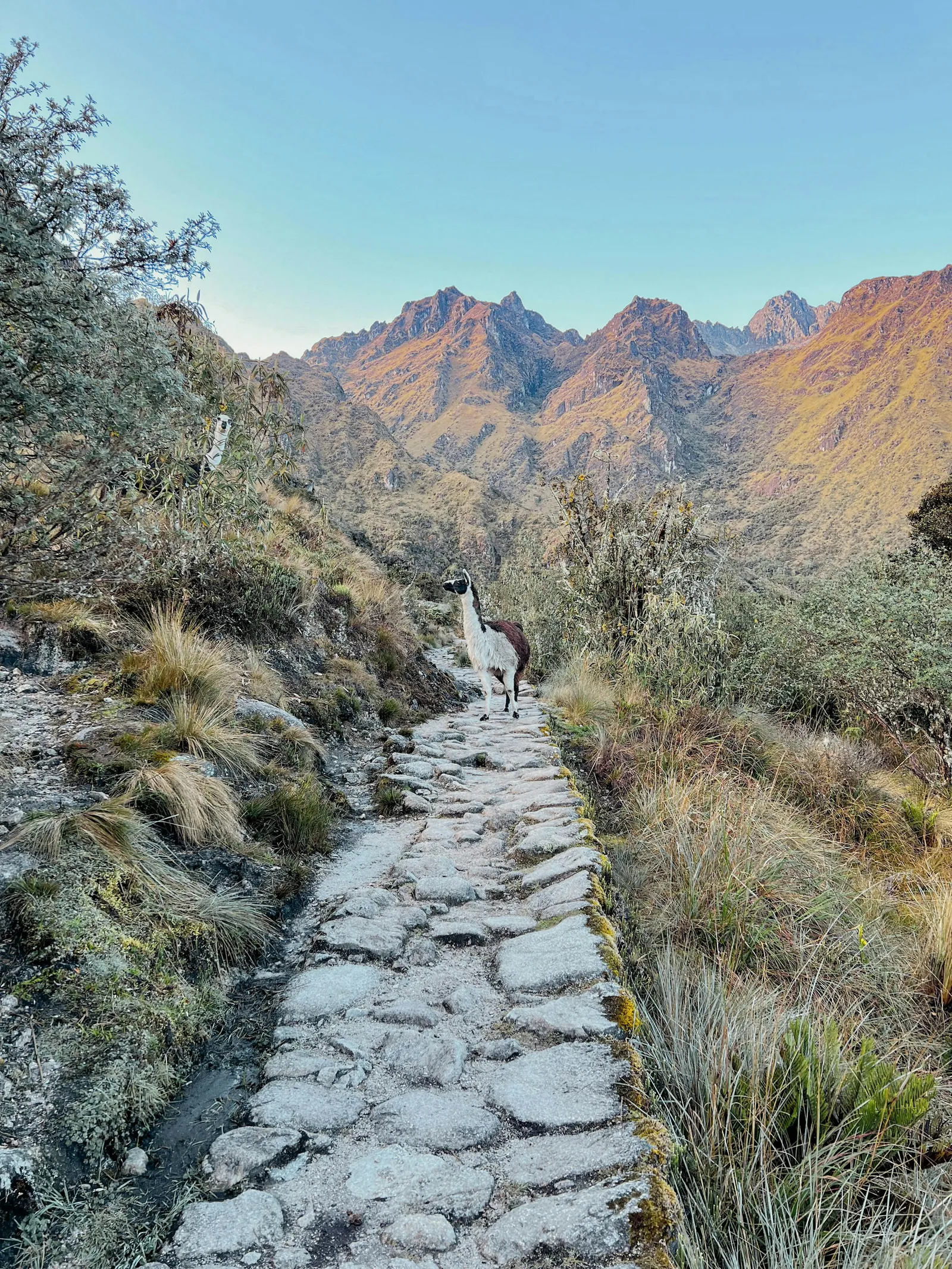
The classic 4-day Inca Trail enters through the Sun Gate and requires a permit that is limited to a few hundred people per day including porters and guides. Permits for May to September sell out months ahead, and the trail closes every February for maintenance. The 2-day short Inca Trail is a good alternative for travellers who want to arrive on foot without the full trek. Ask us about adventure itineraries if this is what you are after.
Whatever the month, the first entry slots have the softest light and the fewest people on the terraces. Mist at 6 a.m. in the wet season usually lifts by 8 or 9 and produces some of the most dramatic photos of the year.
This is how a typical Machu Picchu day looks on one of our private itineraries, based in the Sacred Valley:
Huayna Picchu vs Machu Picchu Mountain
If you are adding a second circuit the next morning, stay overnight in Aguas Calientes and enter with the first slot of the day.
At least two. Cusco sits at 3,400 m, while Machu Picchu is at 2,430 m and the Sacred Valley at about 2,800 m. Sleeping your first nights in the Sacred Valley, lower than Cusco, is the easiest way to acclimatise and it puts you next to the Ollantaytambo train station.
No. There is no ticket sale at the gate. A small quota is sold in person in Aguas Calientes the day before, but relying on it in high season is a gamble. Buy online or through your operator.
Getting there: trains, buses and the Inca Trail
Regulations require visitors to enter with a licensed guide, especially on first visits. Beyond the rule, a good guide is what turns stone walls into a story. Our guides are certified, bilingual and based in Cusco.
Each circuit has a maximum permitted time, generally between two and a half and four hours depending on the route and whether a mountain is included. You cannot re-enter once you leave.
No. Toilets are outside the gate (small fee), and food is not allowed inside. Bring water in a reusable bottle; single-use plastics are prohibited in the sanctuary.
Best time to visit
Yes, but it means leaving Cusco before 5 a.m. and returning after 9 p.m. For a private journey we recommend at least one night in the Sacred Valley or in Aguas Calientes.
We buy your Machu Picchu tickets first and design the trains, hotels and guides around them. Private, tailor-made, from Cusco.
Altitude, difficulty, acclimatisation, packing list and the honest case for Palcoyo when you want the colours without the crowds.
A realistic day plan
The valley is usually treated as a stop on the way to Machu Picchu. It deserves to be the base of the trip. Here is why, and how to do it.
Keep reading
- Rainbow Mountain 2026: The Complete Guide to Vinicunca and Palcoyo
- Sacred Valley: Learning to Move at the Rhythm of the Andes
Keep reading
Photography: Dragisa Braunovic / UnsplashVlad D / UnsplashBruce Dall / Wikimedia Commons, CC BY 2.0Federico Scarionati / Unsplashkarlnorling / Wikimedia Commons, CC BY 2.0Willian Justen de Vasconcellos / UnsplashHoach Le Dinh / UnsplashChris Smith / Wikimedia Commons, CC BY 2.0apardavila / Wikimedia Commons, CC BY 2.0Matt Madonna / UnsplashJohn Salzarulo / UnsplashChris Smith / Wikimedia Commons, CC BY 2.0Jair Garciaferro / UnsplashSamuel Malmström / UnsplashTilo Mitra / UnsplashJamie Hagan / Unsplash