Journal
Sacred Valley: Learning to Move at the Rhythm of the Andes
Why the Sacred Valley of the Incas rewards slow travel: Pisac, Ollantaytambo, Chinchero, Moray and Maras, where to sleep, how many days to give it, and how it fits a wellness or family journey.
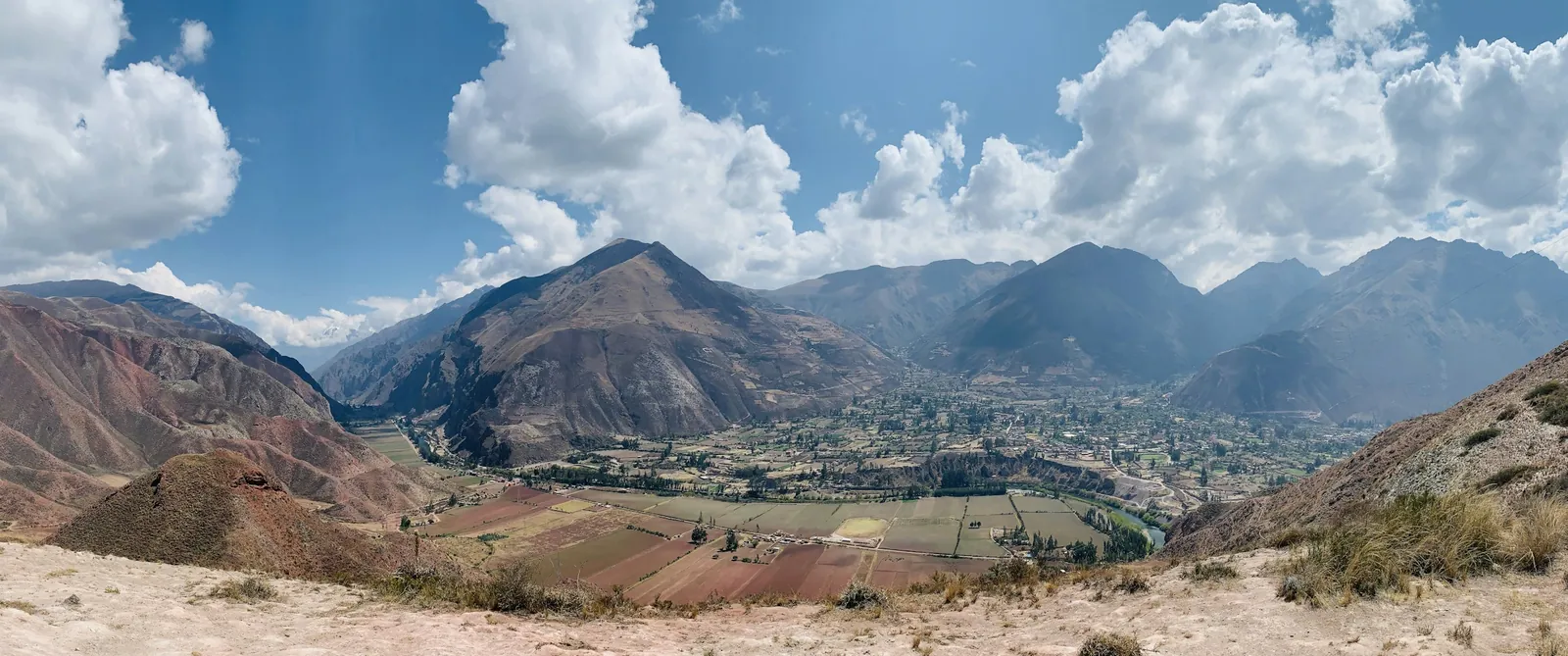
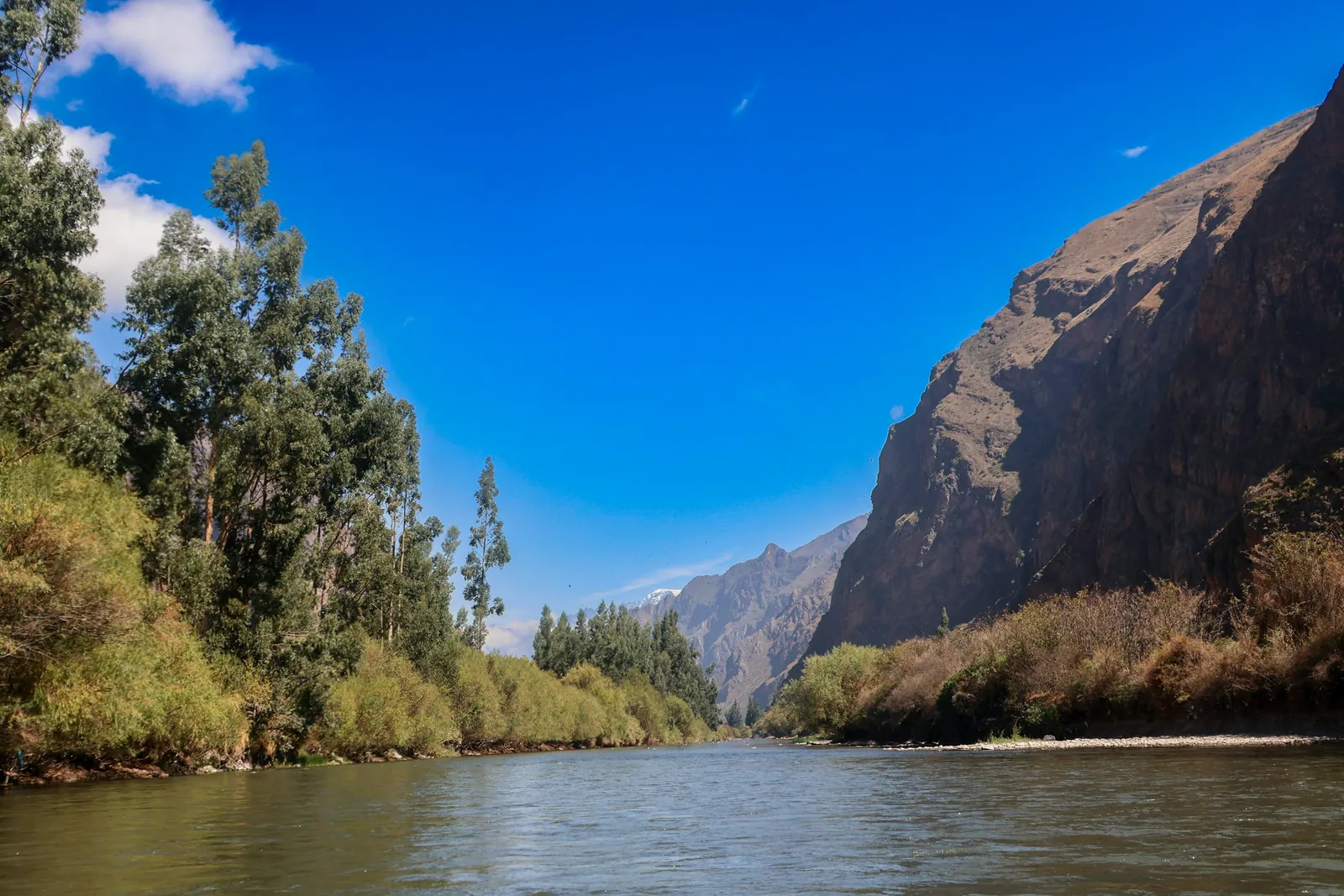
Most itineraries drive through the Sacred Valley in one day: Pisac market in the morning, Ollantaytambo fortress in the afternoon, train to Machu Picchu at dusk. It works, and it misses the point. The valley is lower, warmer and quieter than Cusco, and it is where the Andes stop being a checklist and start being a place. This is how we structure it for travellers who have time to slow down.
Three practical reasons come before the poetic ones:
The less practical reason is the one that matters more: in the valley, time behaves differently. Markets follow the harvest, not the tourist calendar. Ceremonies to the apus, the mountain spirits, still happen because people need them to. Farmers walk the same terraces their families have worked for five centuries. Moving at that speed is the experience.
Why base yourself in the valley, not in Cusco
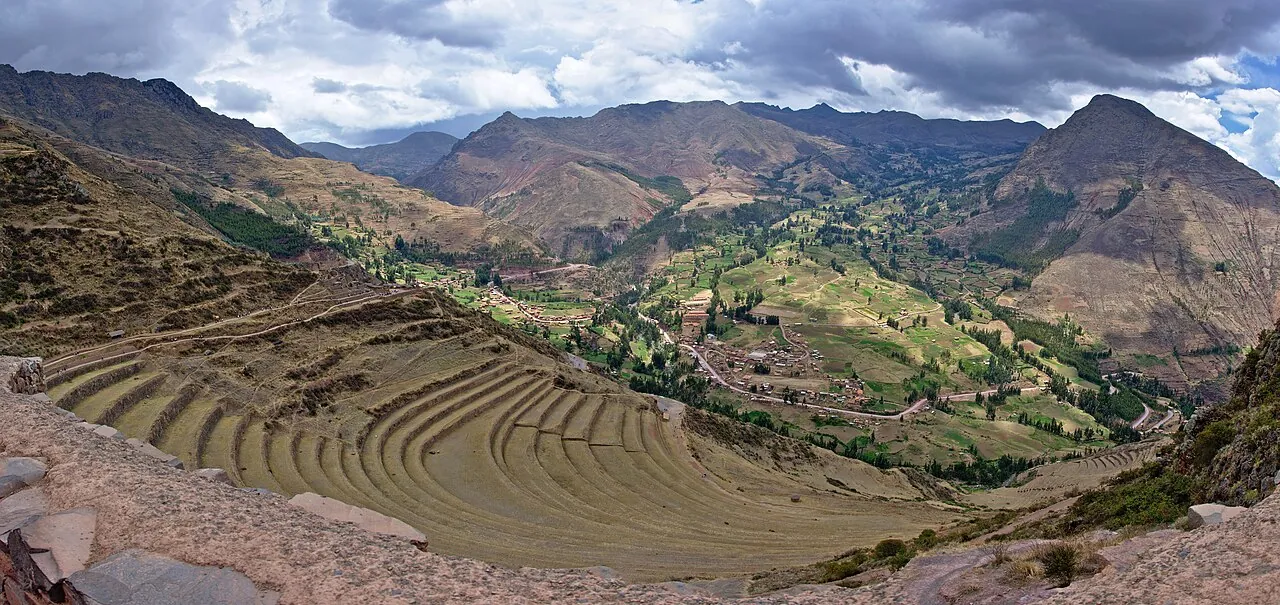
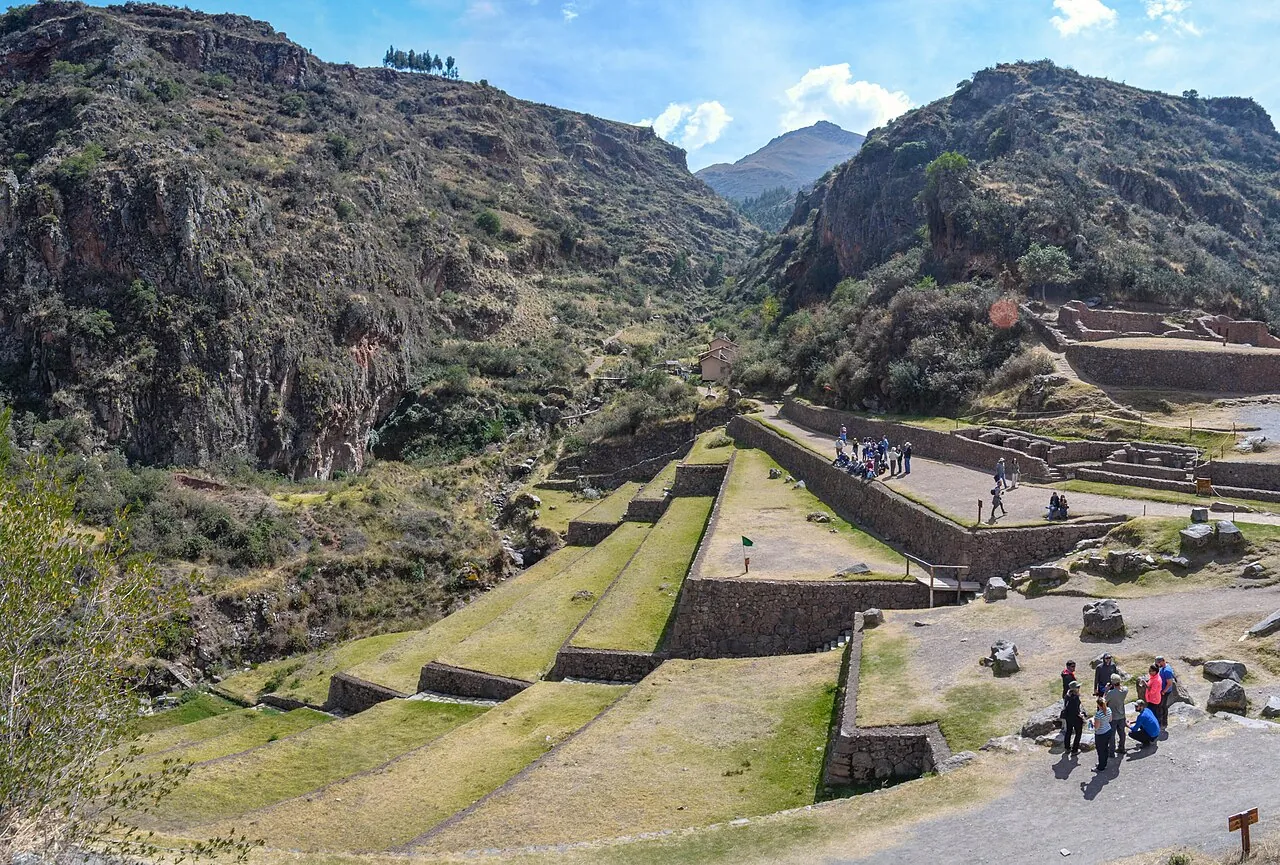
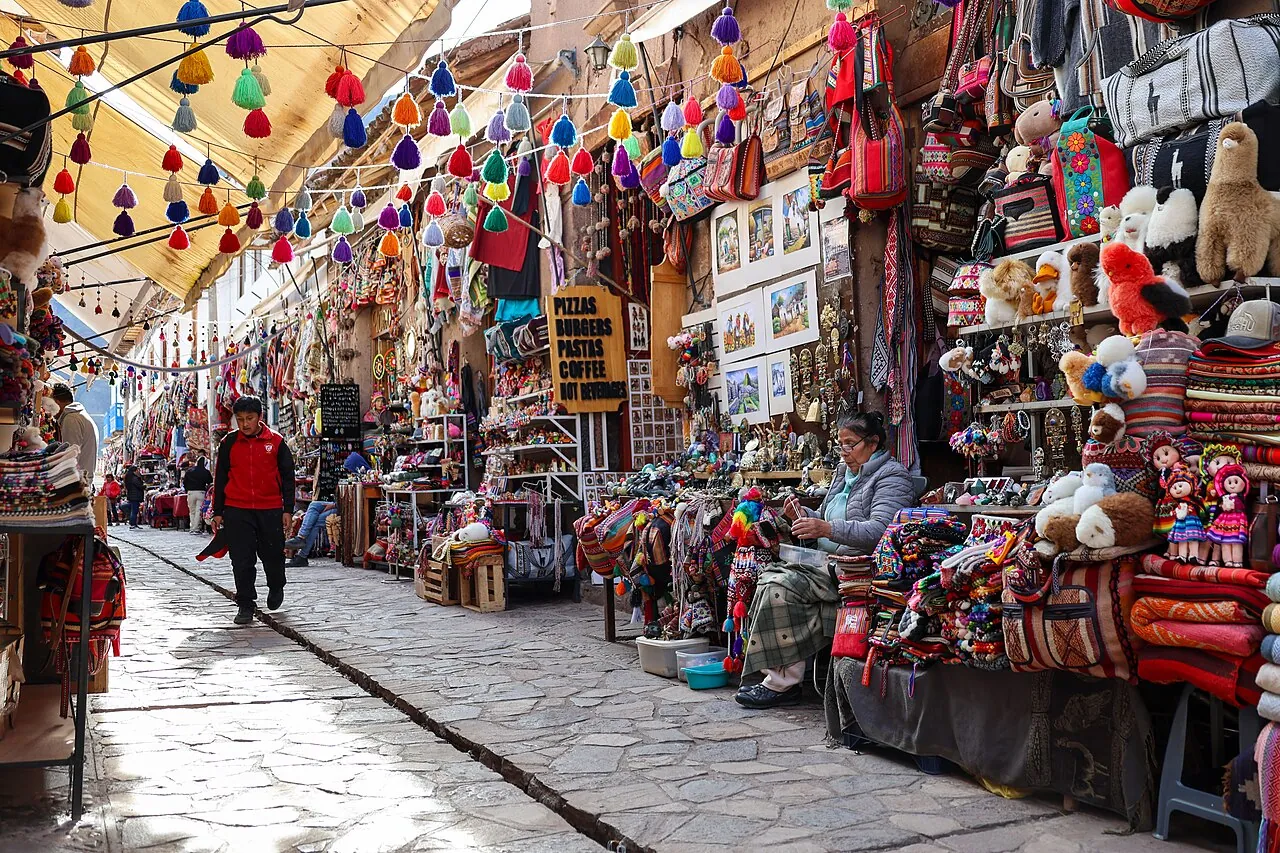
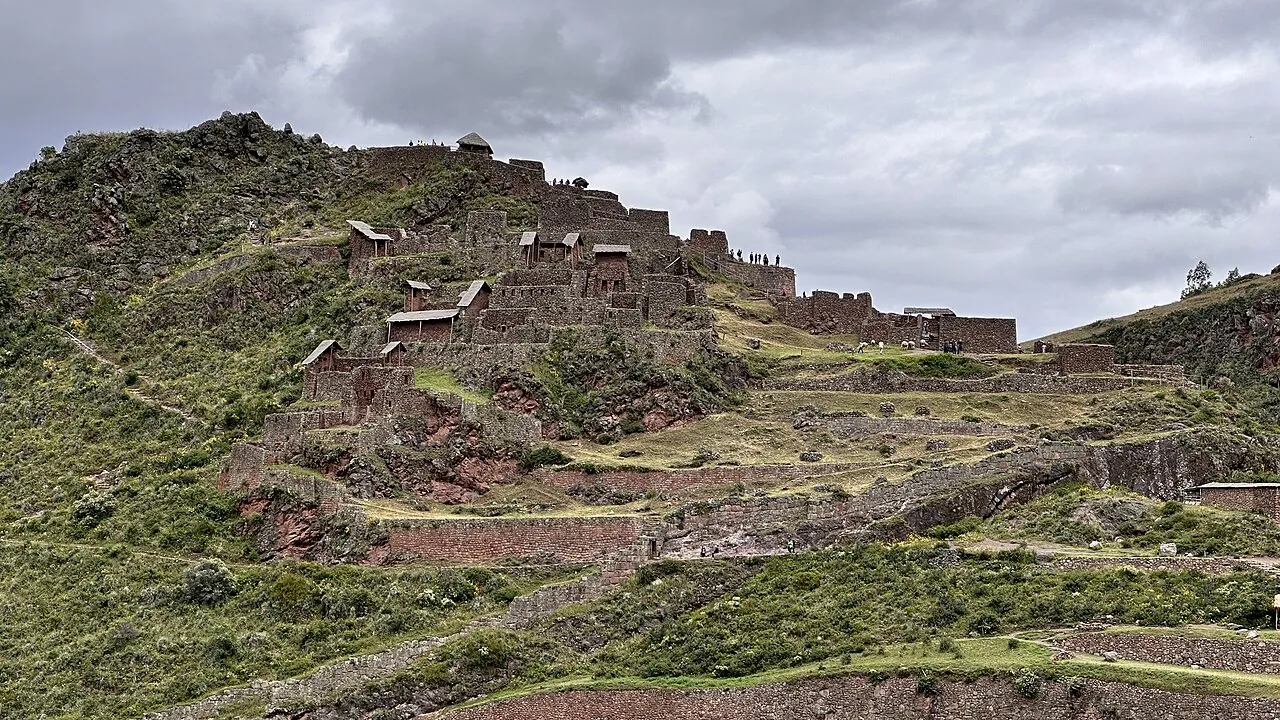
Known for the market, which is best on Sunday when the surrounding communities come down. The archaeological site above the town is larger and, for many travellers, more moving than the market: terraces that climb the mountain, a temple sector with the same quality of stonework as Machu Picchu, and almost no one on the upper trails after 3 p.m. Our Pisac cultural and historical tour also visits a textile community and the Inkariy museum, which explains the cultures that came before the Incas.
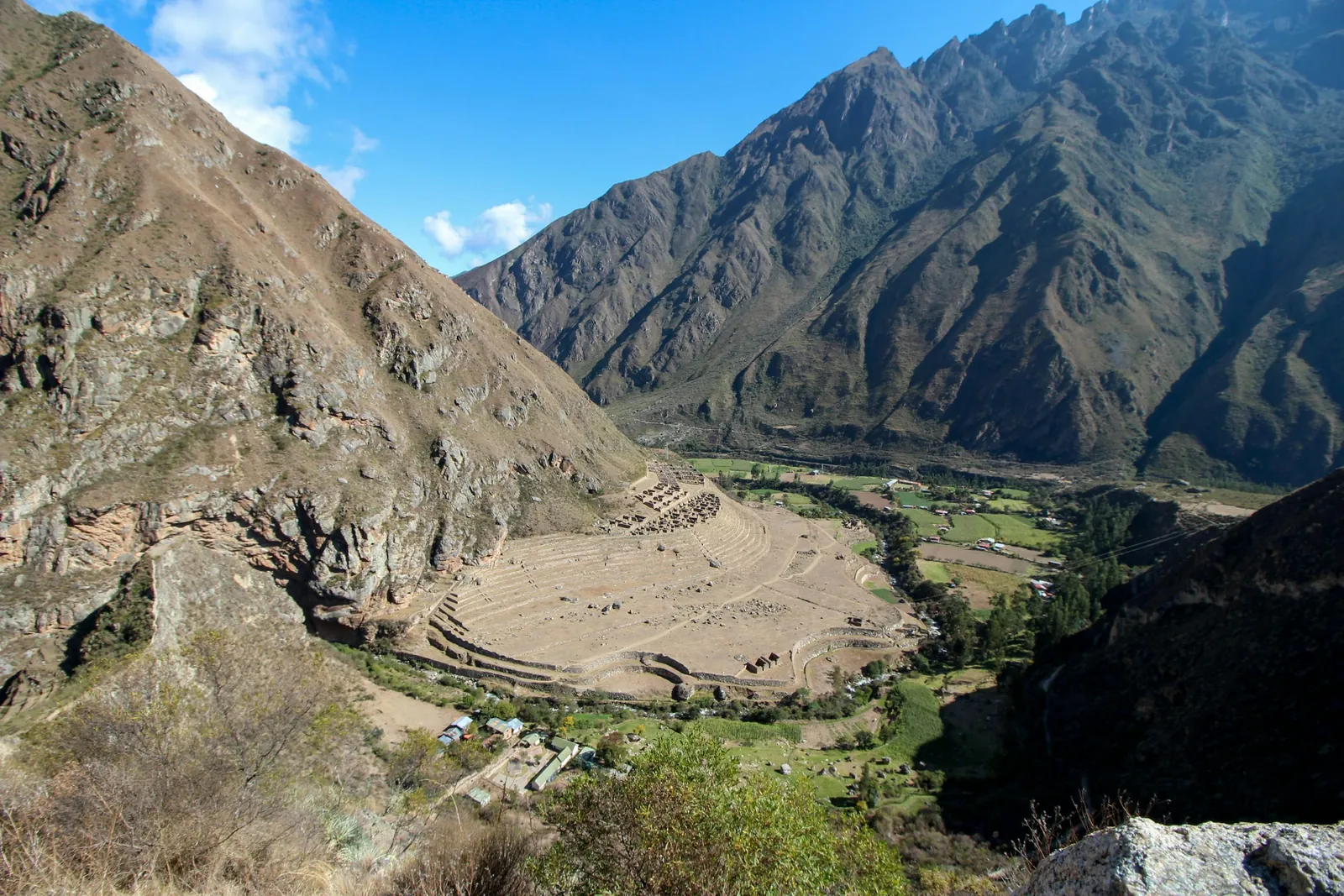
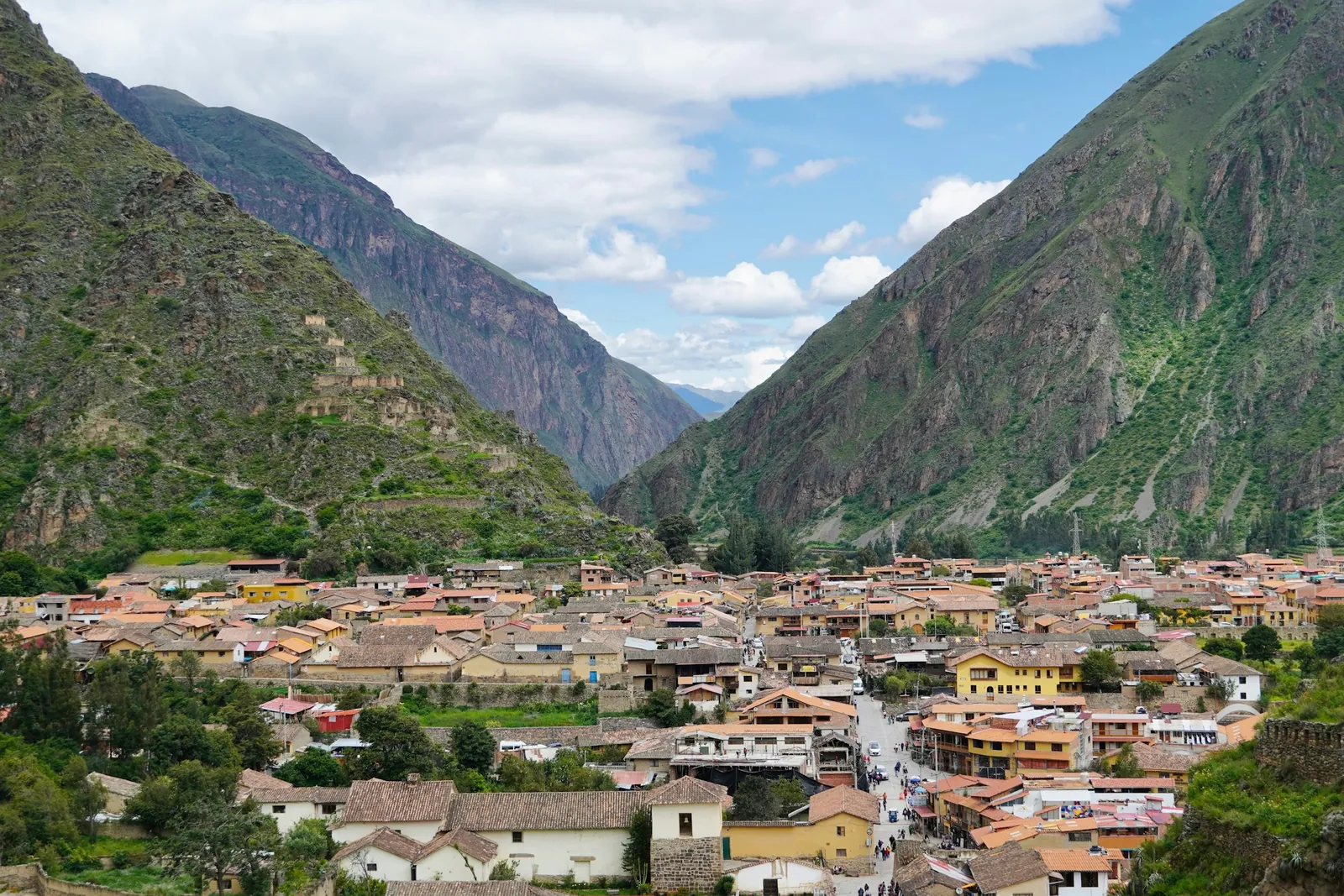
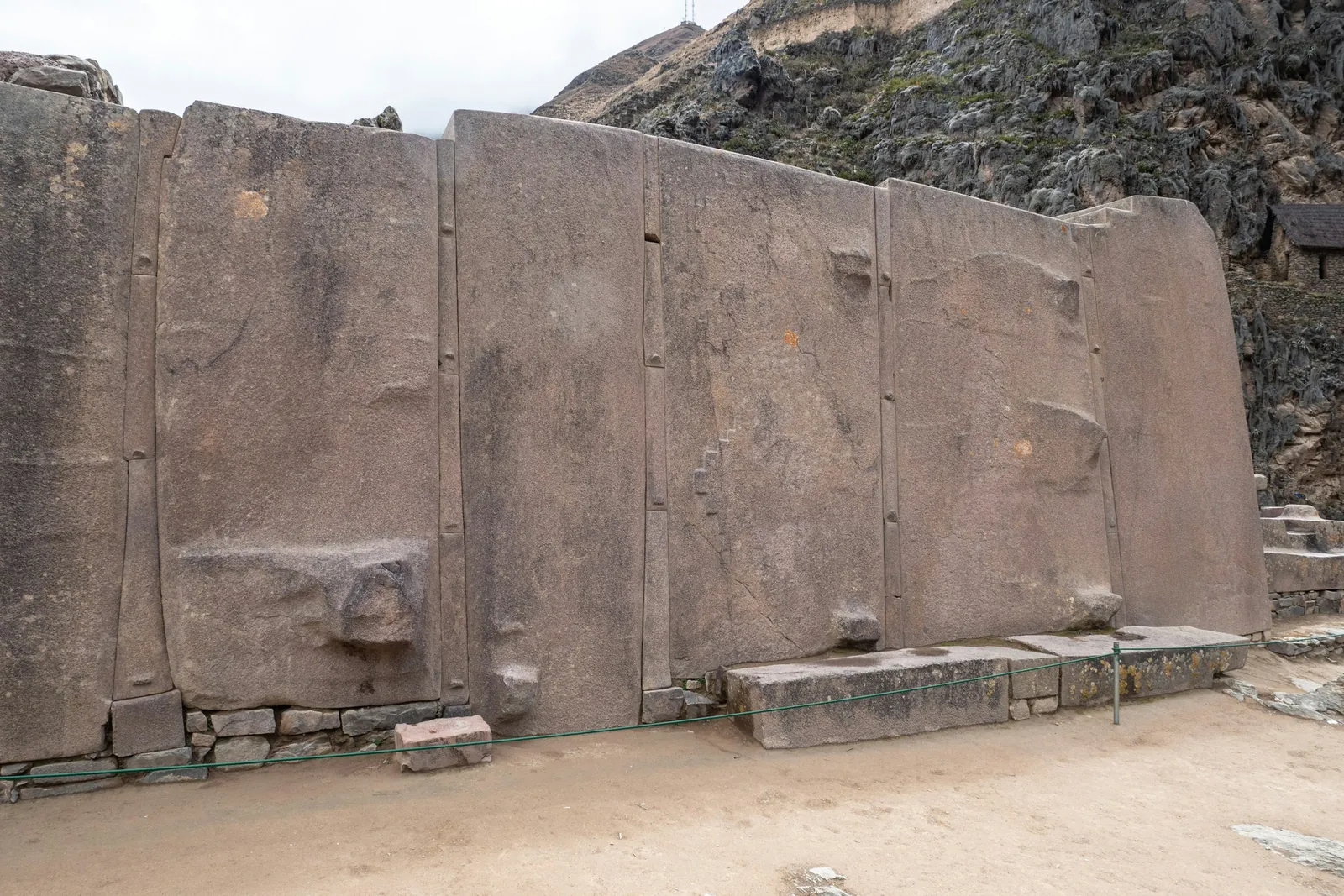
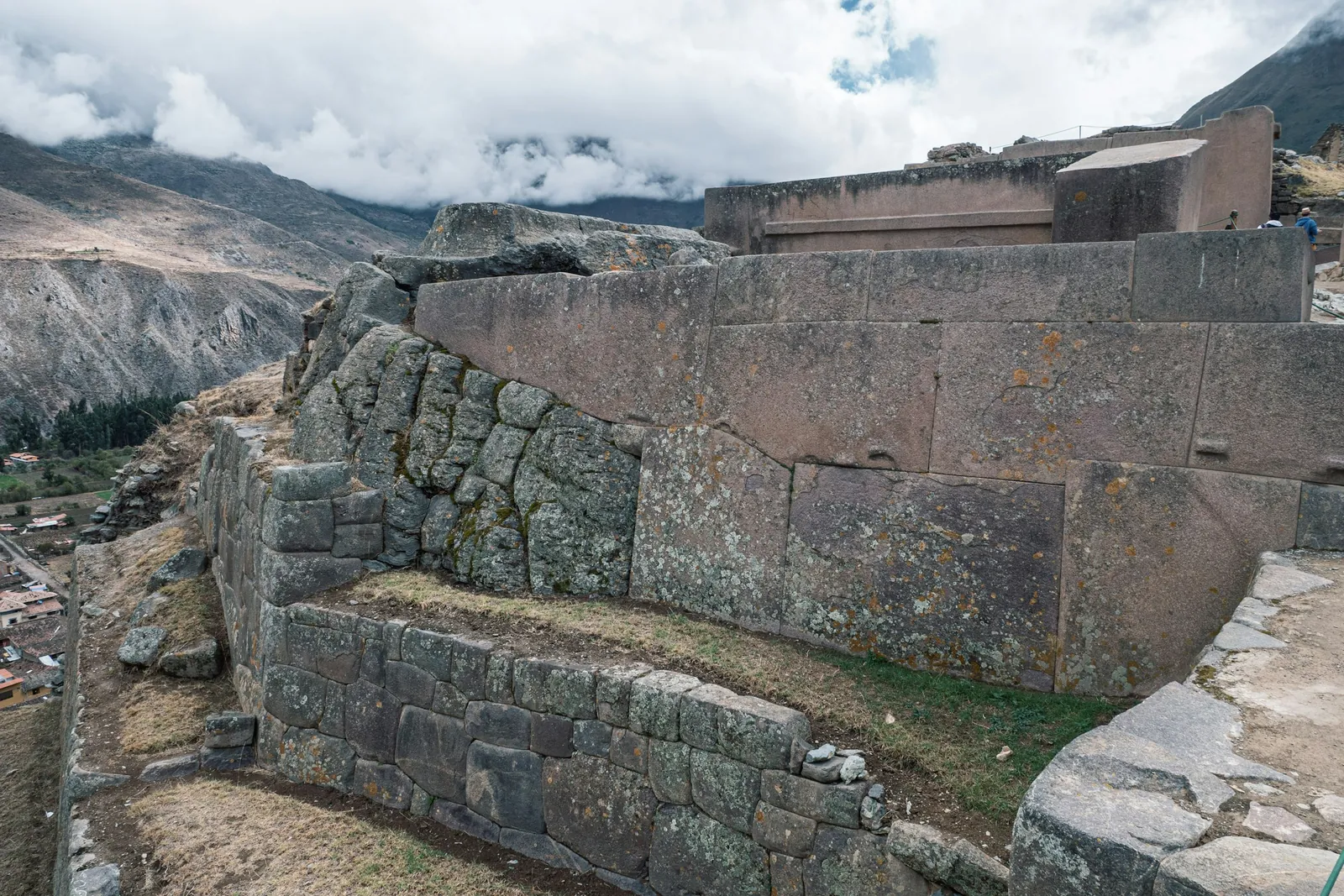
The only town in Peru still living inside its Inca street plan, with water channels running along the lanes. The fortress terraces are steep and worth climbing early. Stay a night here if you can; after the day visitors leave, it becomes a village again.
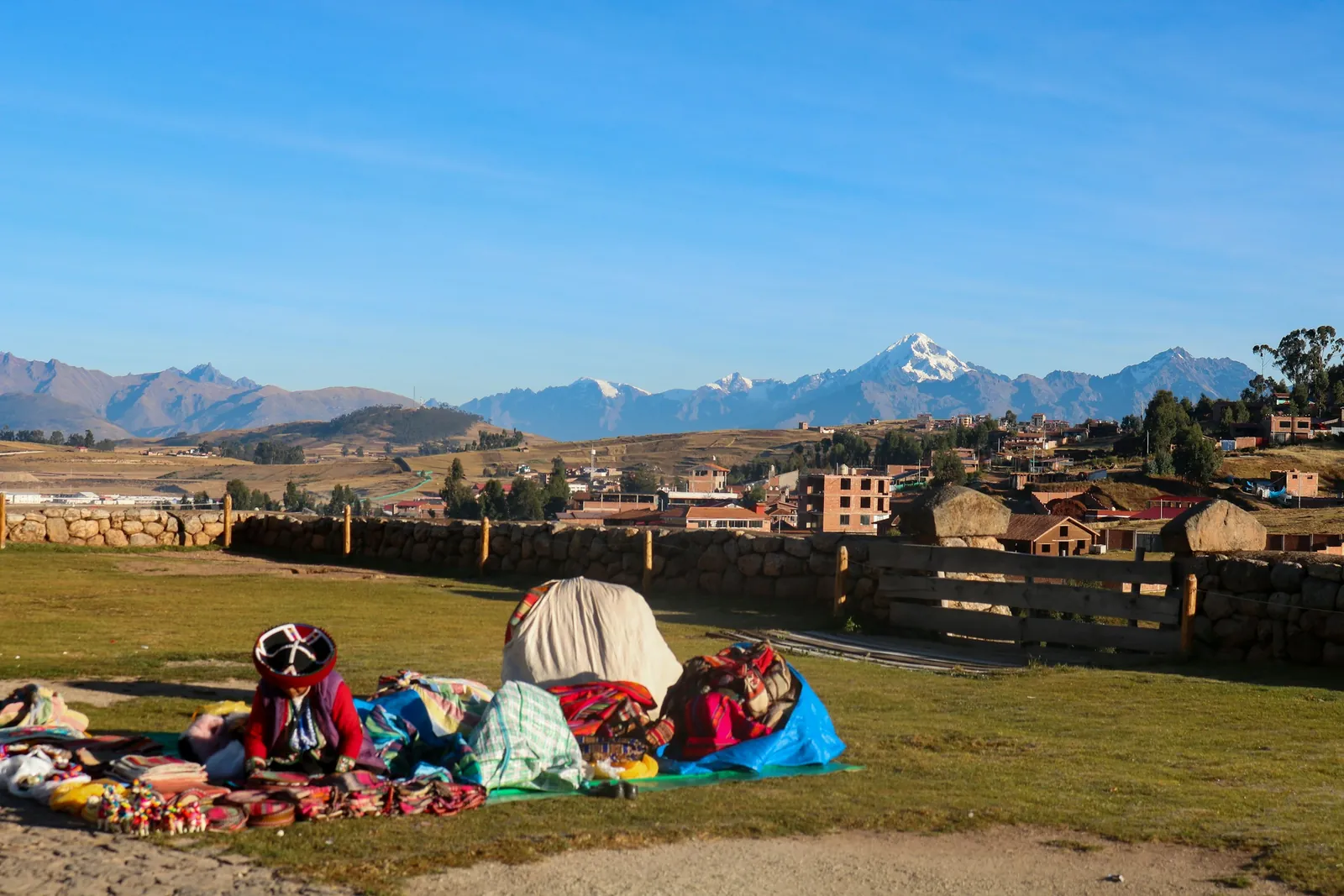
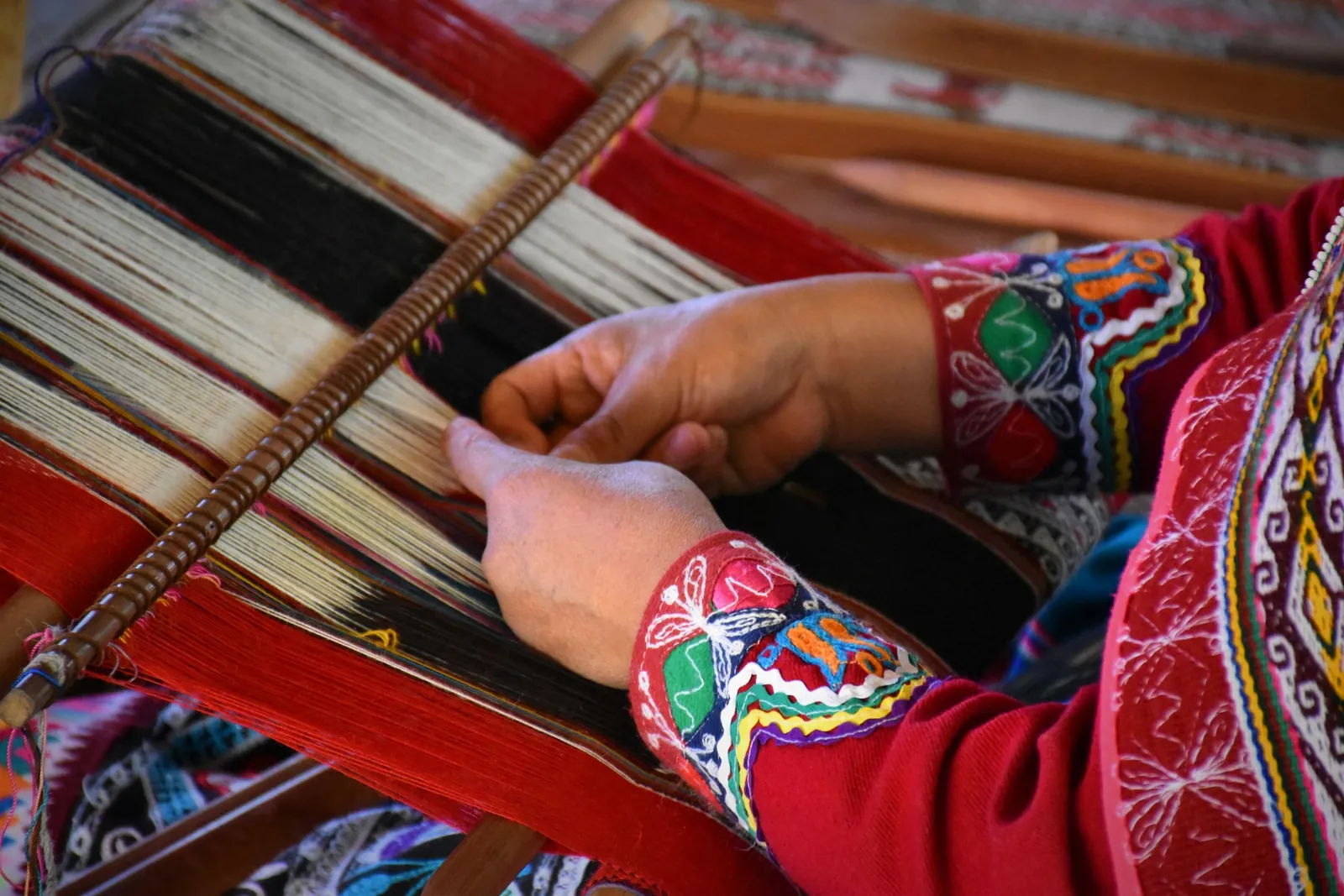
Higher than the valley floor, at about 3,760 m, and the best place to understand Andean weaving from the sheep to the finished cloth. Families here still dye with plants and cochineal. The colonial church is built on Inca foundations and has one of the most beautiful painted ceilings in the region.
The places, and what each one is really for
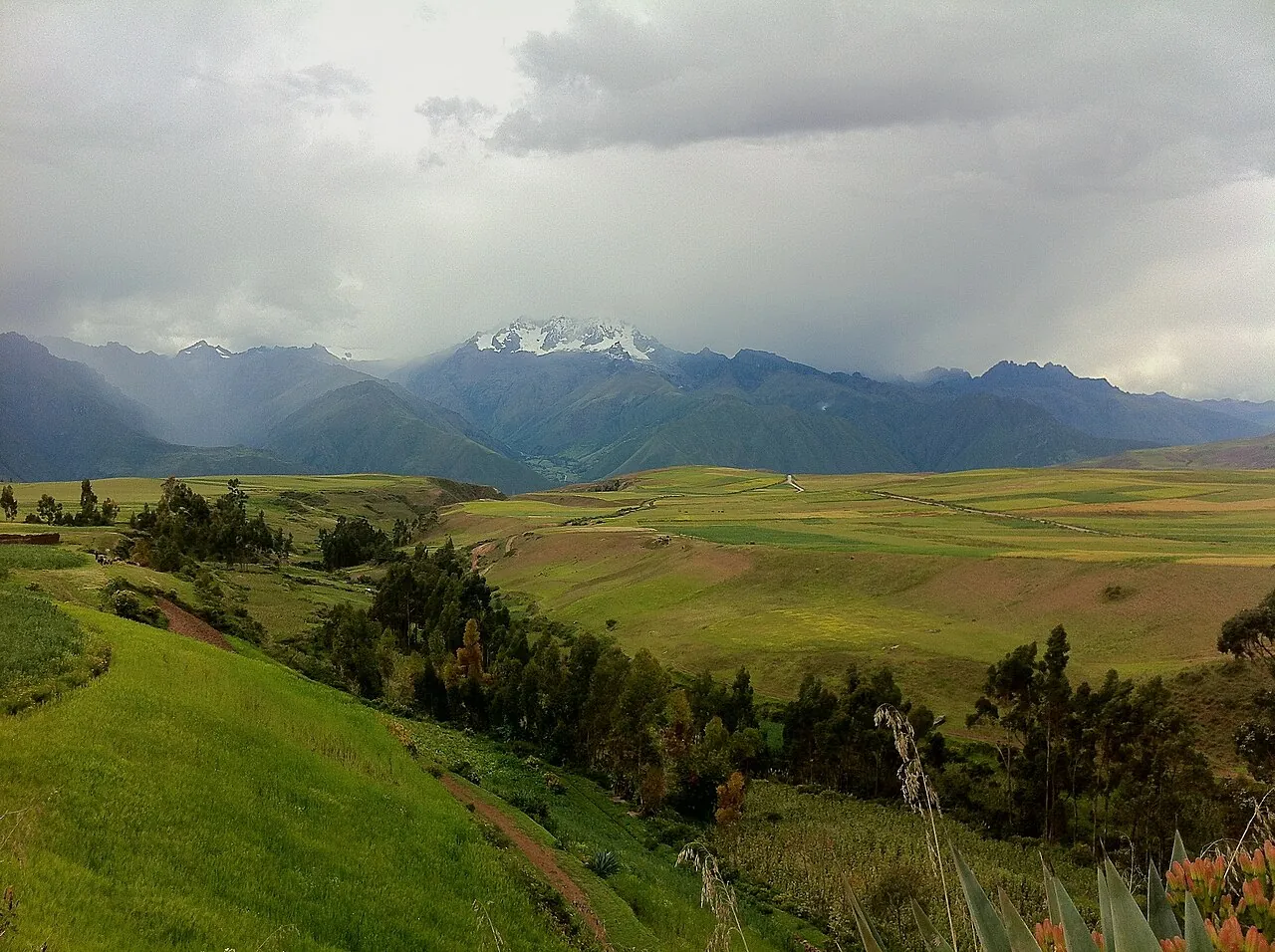
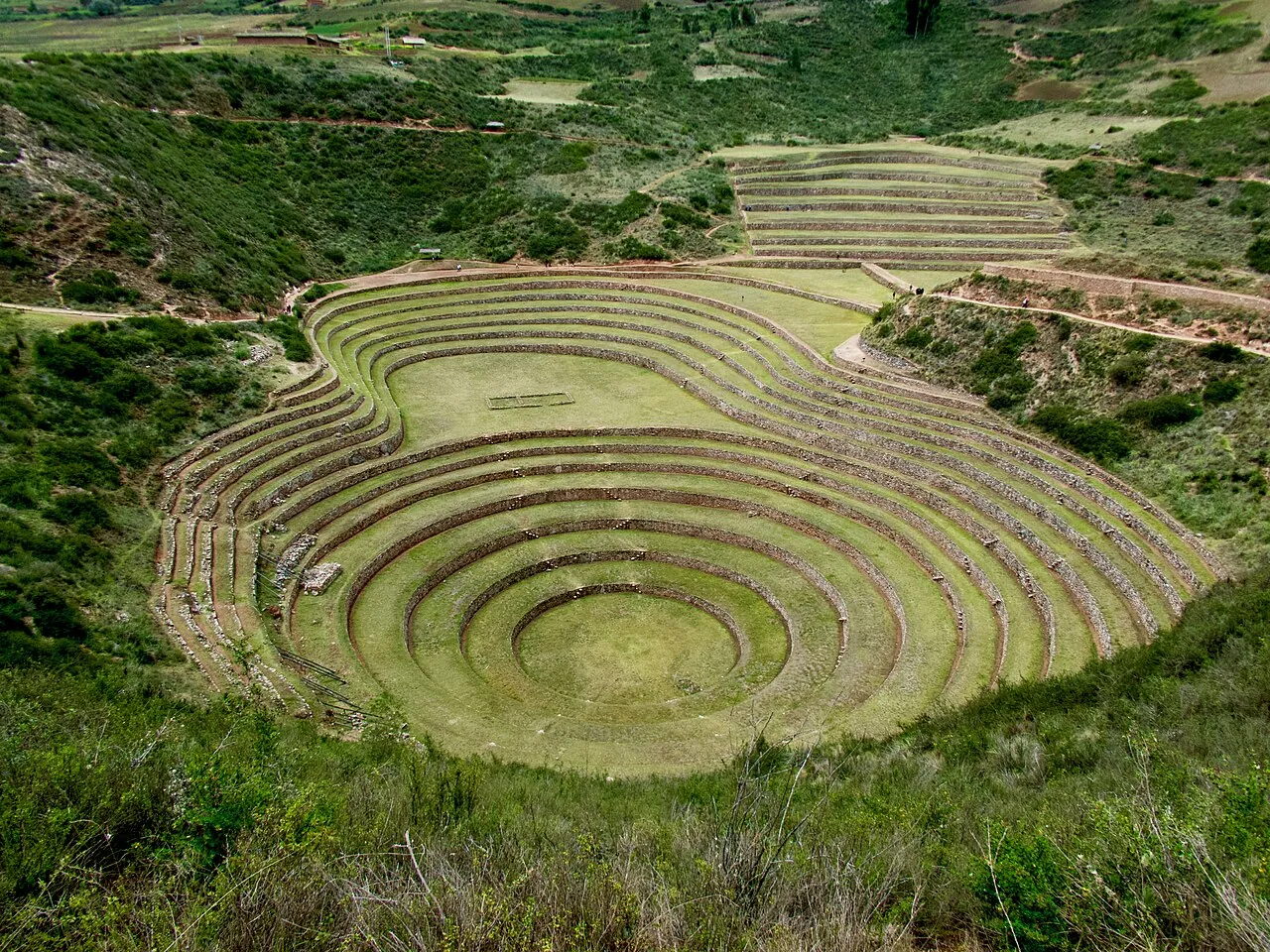
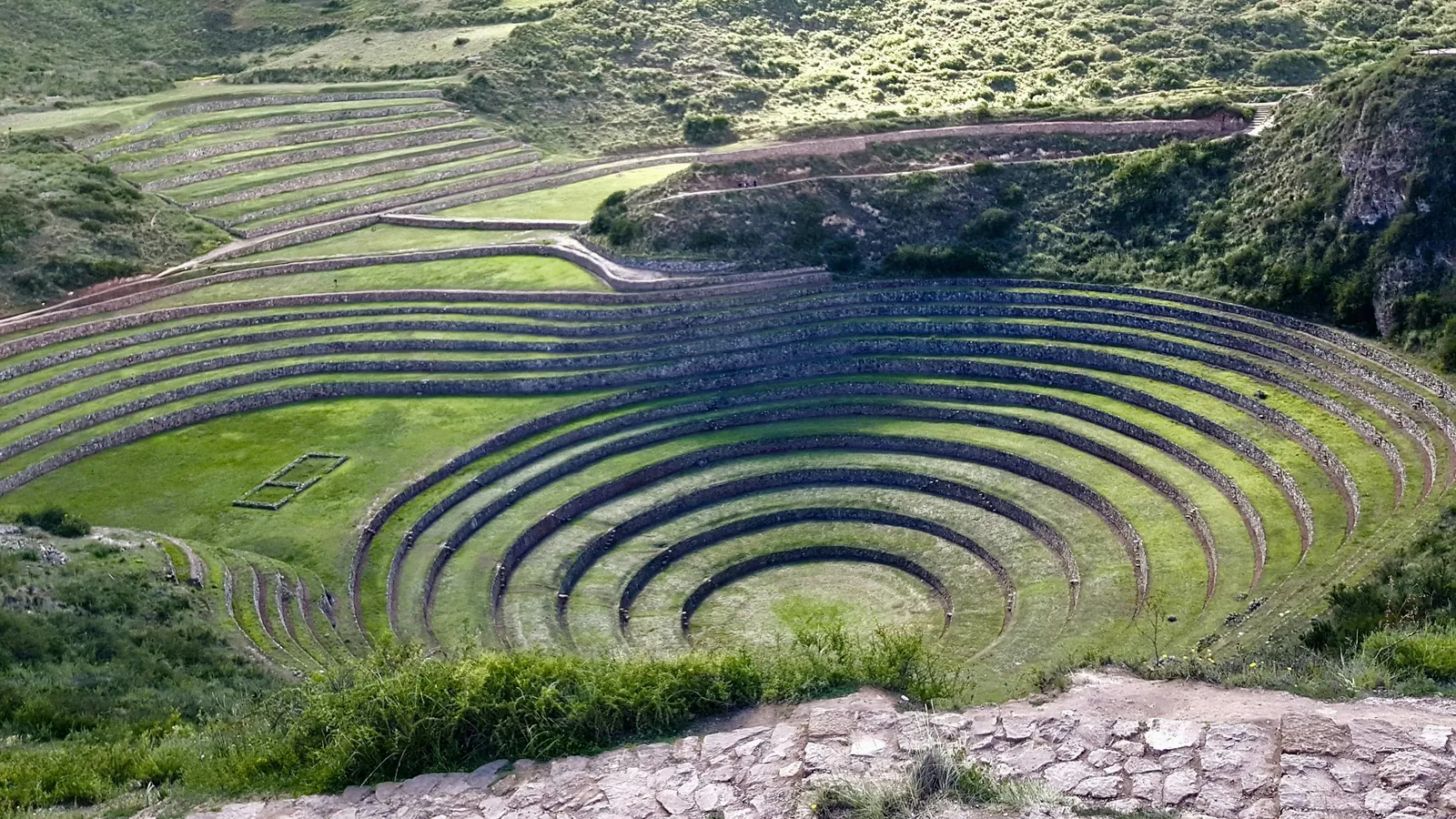
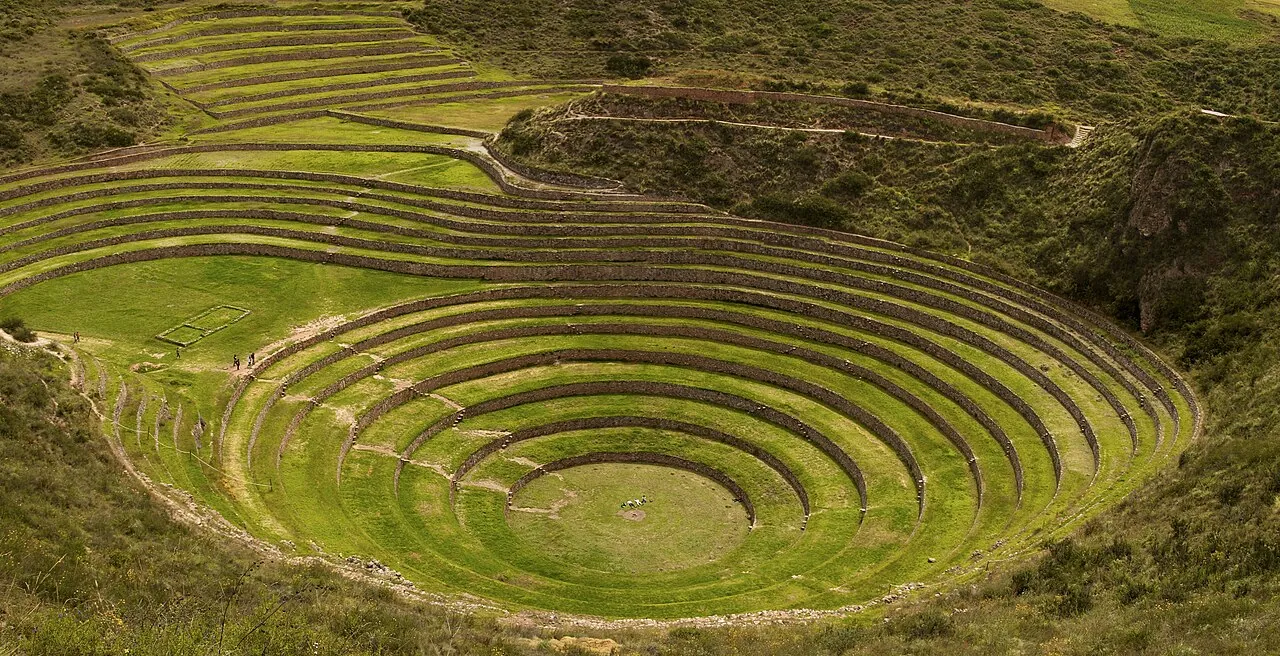
Moray is a set of concentric terraces, probably an agricultural laboratory where the Incas tested crops at different microclimates. Maras is a hillside of thousands of salt pans, worked by local families since before the Incas. Both are best in the late afternoon light, and the walk between them, across open fields with the snow peaks in front, is one of the finest short hikes in the valley.
For travellers who want to walk, the day hike to Huchuy Qosqo ("little Cusco") from Tambomachay to Lamay passes through puna grassland, a mountain pass and an almost untouched Inca site. Nobody else is there.
Two days is the minimum. Four is where the valley opens up. A rhythm we use often on our family and honeymoon journeys:
How many days, and a suggested rhythm
Read our Machu Picchu 2026 guide to choose the right circuit for day 5.
The Sacred Valley has become the centre of wellness travel in Peru, and for once the reputation is earned. The altitude is high enough to feel the mountains and low enough to sleep well. There are yoga and meditation retreats set among the terraces, small lodges with gardens and hot tubs, and practitioners who work with traditional Andean medicine.
Two things we want to be clear about. First, a proper retreat is led by someone with real training, and we only work with facilitators whose credentials we can show you. Second, ceremonies involving master plants such as ayahuasca or wachuma are a separate matter with medical and legal considerations of their own, and they are not part of a general wellness itinerary. If that is what you are looking for, ask us directly and we will talk about it openly.
The valley as a wellness destination
What a wellness journey in the valley typically includes: morning yoga or meditation, a pago a la tierra (offering to the earth) with a local paqo, walks between villages, time in the hot springs at Lares, and food from the garden. See our wellness journeys in Peru for how we build these days.
The valley grows the giant white corn of Urubamba, dozens of potato varieties, quinoa, tarwi and fruit from the lower reaches. Some of the best restaurants in Peru are here, and so are farm kitchens where lunch comes out of the ground that morning. A pachamanca, meat and vegetables cooked on hot stones buried in the earth, is a meal and a ceremony at once. If you want to cook rather than just eat, our Cusco cooking class starts at the market and ends at the table.
On private journeys we choose the hotel around your rhythm, not the other way round: a family of five needs different rooms and a pool; a couple on a honeymoon needs a view and silence.
Food: from the chacra to the table
In the Sacred Valley. It is lower, warmer and next to the Machu Picchu trains. Spend your Cusco nights at the end of the trip, once you are acclimatised.
Yes. One day shows you Pisac and Ollantaytambo from a van window. Two to four days let you walk, eat, visit a weaving community and sleep somewhere quiet.
The market runs daily, but Sunday is the traditional day when communities from the surrounding mountains come down, often in local dress, and there is a Quechua mass in the church.
Where to sleep
The Cusco tourist ticket covers Pisac, Ollantaytambo, Chinchero and Moray, among other sites. Maras salt pans charge a separate community fee. Our tours include all entrance tickets.
About 2,800 m at Urubamba and Ollantaytambo, around 2,970 m at Pisac and 3,760 m at Chinchero. Cusco is 3,400 m.
The good ones are. Look for named facilitators with verifiable training, clear information about what is included and what is not, and a straightforward cancellation policy. We publish all of that for the retreats we work with.
Frequently asked questions
We design private journeys with the Sacred Valley as the base: the right hotel, the right pace, and Machu Picchu at the end rather than in a rush.
How the circuit system works, which route to book, how far ahead to buy tickets and which months give you the best light at the citadel.
Altitude, difficulty, acclimatisation, packing list and the honest case for Palcoyo when you want the colours without the crowds.
Keep reading
- Machu Picchu 2026: Circuits, Routes and the Best Time to Visit
- Rainbow Mountain 2026: The Complete Guide to Vinicunca and Palcoyo
Keep reading
Photography: McKay Savage from London, UK / Wikimedia Commons, CC BY 2.0Max / UnsplashTomas Sobek / Wikimedia Commons, CC BY 2.0Meina Yin / UnsplashF Delventhal / Wikimedia Commons, CC BY 2.0Paul Daly / UnsplashEsmée Winnubst / Wikimedia Commons, CC BY 2.0Ruben Hanssen / UnsplashJonathan Phelps / UnsplashMeg von Haartman / Unsplashflowcomm / Wikimedia Commons, CC BY 2.0Jean Vella / UnsplashIsabelle Truong / UnsplashMorePix / Wikimedia Commons, CC0Ruben Hanssen / UnsplashMcKay Savage from London, UK / Wikimedia Commons, CC BY 2.0